










Dried mealworms: a protein-rich snack for your hens
Chicken owners have probably heard about mealworms. These worms (or rather larvae) are considered the new superfood for chickens, other poultry and garden birds. And there is quite a bit of that. The exceptional composition of dried mealworms combined with the physical benefits for chickens and the physical and mental challenge make dried mealworms indispensable in your chickens' diet.
🐛 Mealworms: Little critters with big advantages!
Whether you are a chicken lover, pond enthusiast or bird admirer, mealworms are a surprisingly valuable addition to your animals' diet. These protein-rich insects are not only hugely popular in terms of taste with birds, chickens, reptiles and fish, but also provide them with the nutrients they need and improve their overall health.
What exactly are mealworms?
Mealworms are the larvae of the yellow mealworm beetle (Tenebrio molitor). They have a golden yellow colour and are about 2 to 3 centimetres long. They are real powerhouses packed with protein, fat and fibre. Just what many animals need to stay healthy and energetic. Mealworms are the 2nd stage in the life cycle of the yellow mealworm beetle. It starts with an egg, from which a mealworm (larva) emerges. Once the larva is fully grown, it pupates. The larva thus turns into a pupa and transforms into an adult beetle. After a few weeks, the adult beetle emerges from the pupa. The mealworms you buy from Hermie are intercepted and dried, so to speak, during the second stage.

🐓 Why are mealworms so popular among chicken keepers?
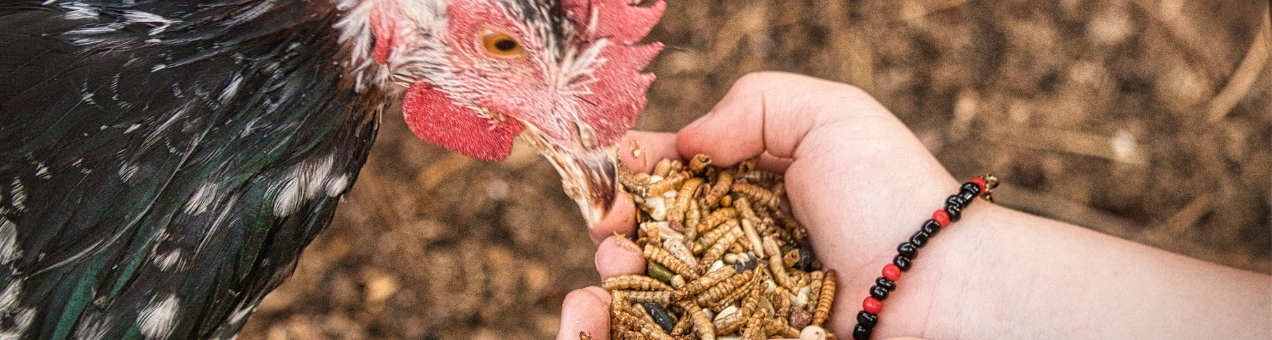
Chickens love mealworms! The dried larvae are a natural snack packed with protein. Up to 50% of each mealworm is pure protein. Those proteins are crucial for egg production and moulting. A handful of mealworms also provides extra physical and mental challenge. And admit it: there is nothing more fun as an owner than seeing your beloved pets go wild over the snack you serve them.
Please note: dried mealworms are NOT a substitute for regular chicken feed. It is an addition to the regular diet.
💡 Tip: Scatter dried mealworms throughout the coop or mix them into the chicken feed for extra stimulation.
Discover our dried mealworms and related products


✅ Why mealworms are good for chickens
Mealworms contain:
- Up to 50% protein
- Healthy fats and fibre
- Essential amino acids
These nutrients help your chickens with:
🥚 Better egg production
🪶 Smoother moulting
💪 More energy and resistance
The nutrients in dried mealworms not only increase egg production, they also improve egg quality. Thanks to the fatty acids in dried mealworms, the yolks become yellower and more nutritious. So giving dried mealworms to your chickens as a snack is also nutritious for you. In addition, you will soon notice an improvement in the quality of their plumage. Especially in the moulting season, this comes in handy. During the winter, their plumage becomes extra fluffy.
Throwing a handful of dried mealworms in the hen's run also leads to mental - and thus indirectly physical - challenge and increased well-being. This is because dried mealworms stimulate your chickens' instincts and their natural foraging behaviour (searching for food). Their natural environment - in the wild - is mimicked which contributes to stress reduction and increased activity.
Dried mealworms also give a real boost to the immune system. Healthy chickens with a balanced immune system are better able to fight off diseases and infections. So they more than likely need less medication, which contributes to an organic way of poultry farming.
📏 How many mealworms can you give to your chickens?
Although mealworms are healthy, give them in moderation. Think of it as a snack or protein supplement.
| Number of chickens | Daily portion of dried mealworms |
| 2 - 4 chickens | 1 tablespoon (approx. 10 - 15 g) |
| 5 - 8 chickens | 2 - 3 tablespoons |
| 9+ chickens | 4+ tablespoons, spread throughout the day |
Want to know more about keeping chickens? You can read all about it in our blog!
🐦 Birds in your garden? Mealworms are irresistible!
Many garden birds such as robins, tits and starlings love mealworms. Especially in spring and winter, they can use some extra nutrition. Mealworms are soft, nutritious and easily digestible, making them ideal for young birds or during cold days.
TIP: Place dried mealworms in a bowl with some water. This will make them soft again. Garden birds will especially appreciate this.
Soaking dried mealworms helps to improve their nutritional profile and makes them more palatable to animals. Soaking mealworms makes them softer, making them easier to digest and enhancing their natural flavour. After soaking, you should serve the mealworms immediately to your chickens or birds to prevent mould growth. Dried mealworms can be kept in closed packaging, in a dry and dark place for up to a year.
Would you like to know more about garden birds and the ideal conditions for them?
How to make DIY suet balls Read our extensive guide on garden birds
🐠 Pond fish and reptiles
Mealworms are also perfect as a snack for fish and reptiles such as bearded dragons, geckos or salamanders. Dried mealworms in particular are convenient to use: they have a long shelf life and are easy to dose.
✔️ Note: always give mealworms as a supplement to a varied diet.
Want to know more about other garden animals? Then be sure to read these blogs 👇
More info? Receive all our gardening tips directly in your mailbox!
We'll only email you handy facts, green advice and our best promotions & discounts. You'll receive it about once a week and you can unsubscribe at any time. No spam, promise 🤞